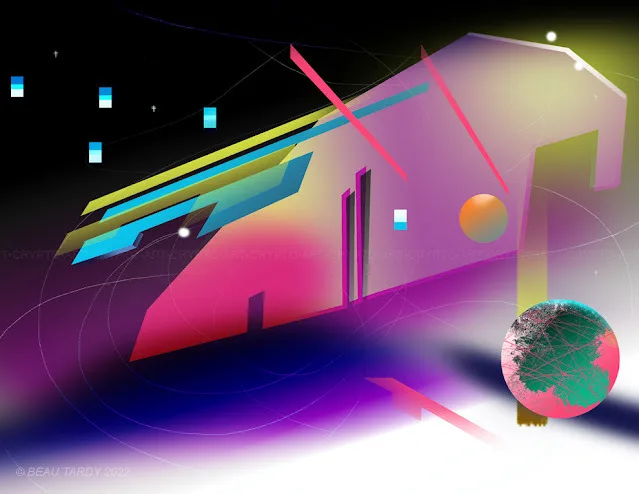
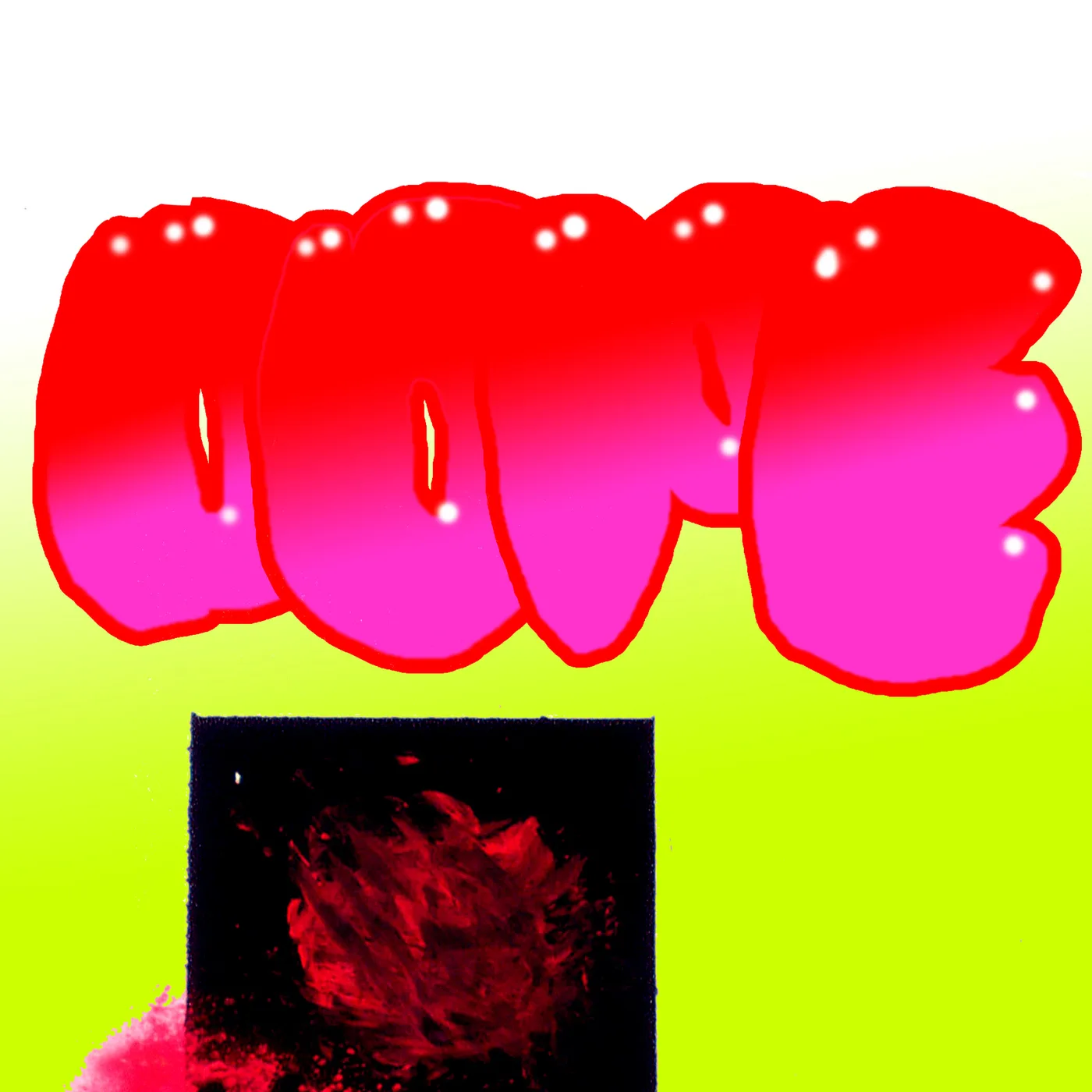
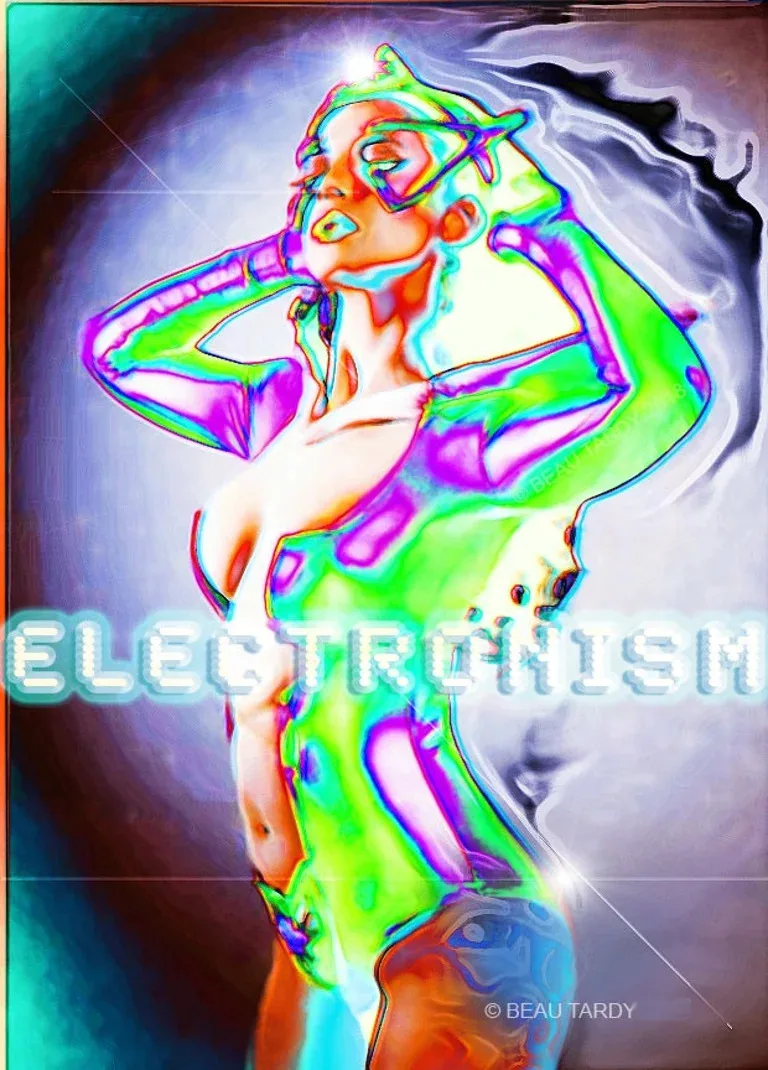
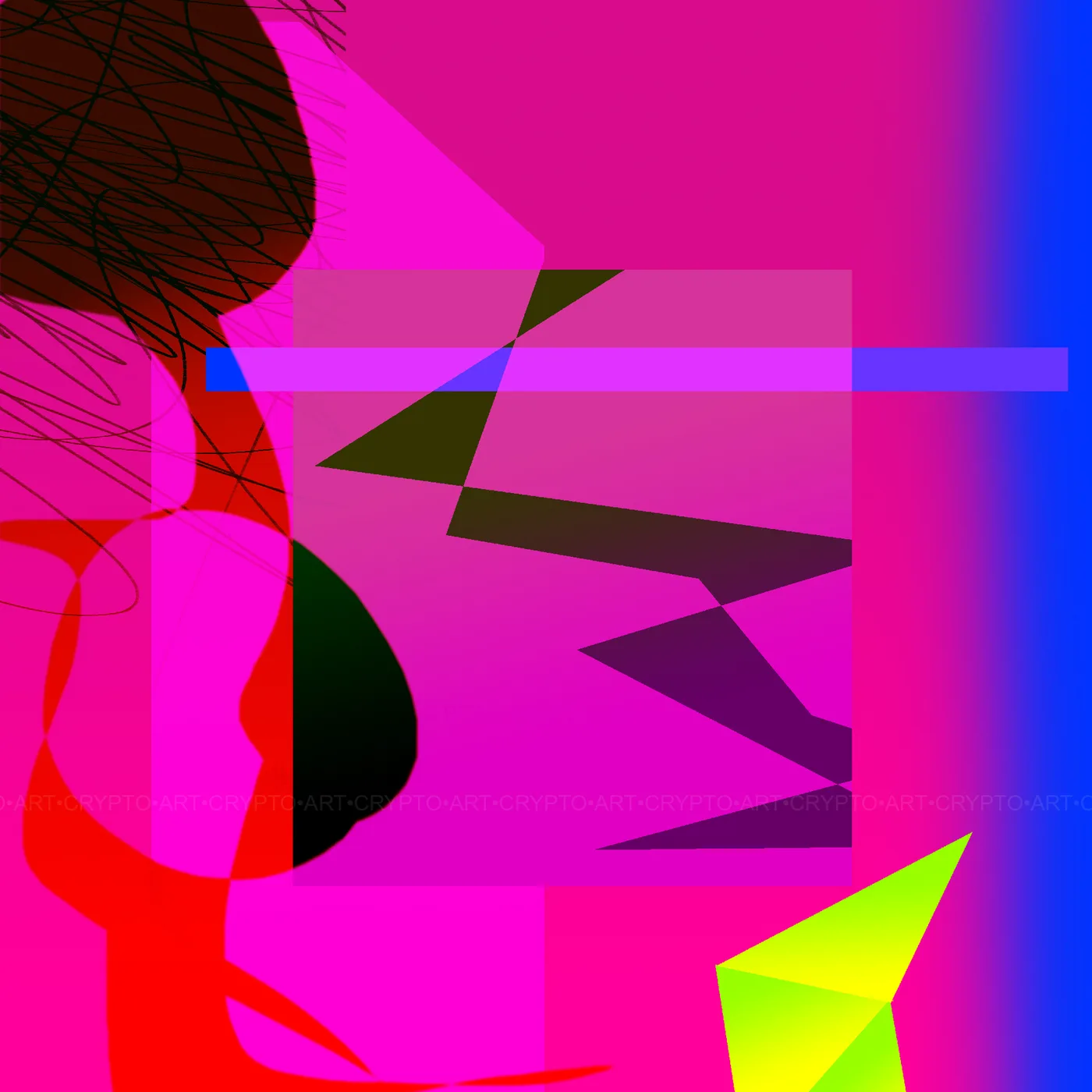

Digital drawing
Electric Figure
A Paris-born, New York-trained artist's name for the place where the electronic signal meets the painted surface. Pop art vocabulary, broadcast machinery, fine-art nerve — one transmission running since 1984.
00 — Daily transmission
A feed that re-cuts itself every day: work pulled from the archive next to notes straight out of the studio.
Digital drawing
Electric Figure
Paintings and installations shown at Barrister's Gallery, New Orleans, in a reunion with the Paris collective.
Exhibition
Paris: America — Mano-Mano
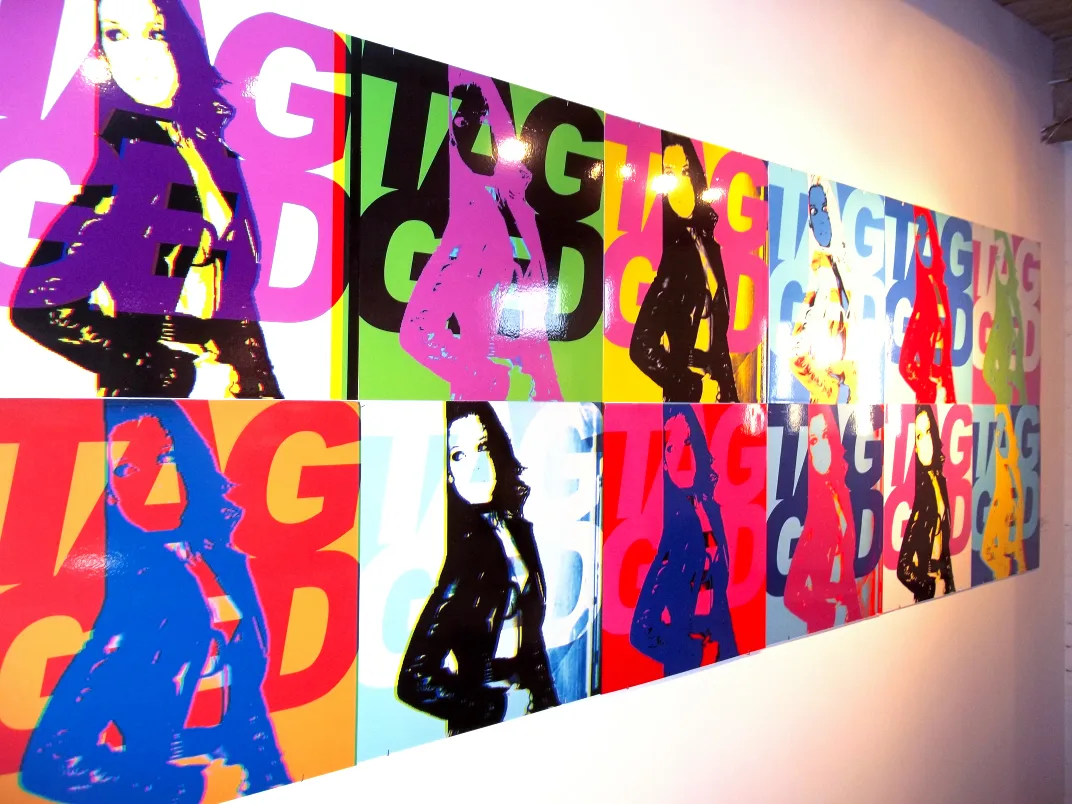
Barrister's Gallery · laminated prints
Tagged Wall
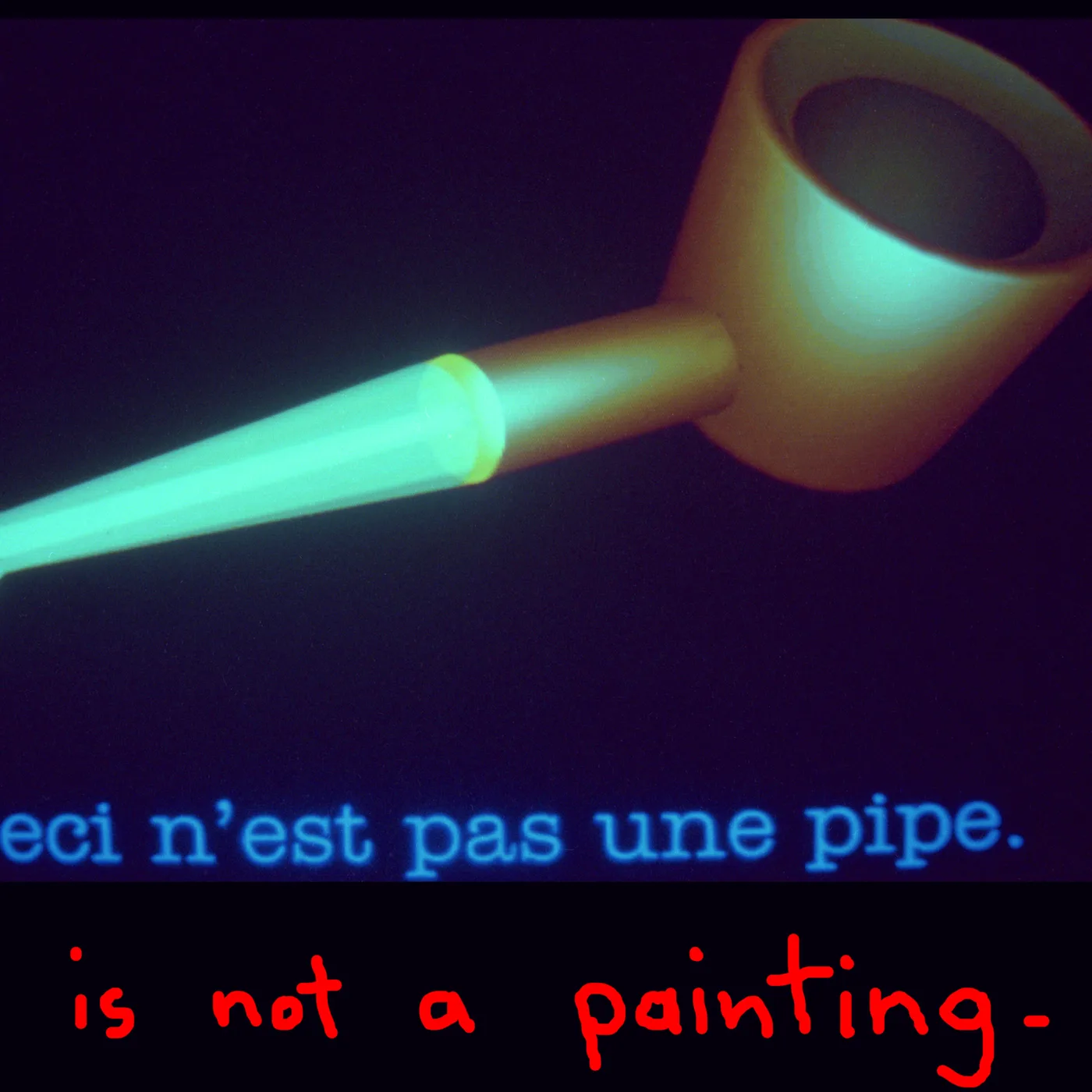
Broadcast frames painted by hand, frame by frame, while the technology was still brand new.
Archive
Quantel Paintbox, 1987
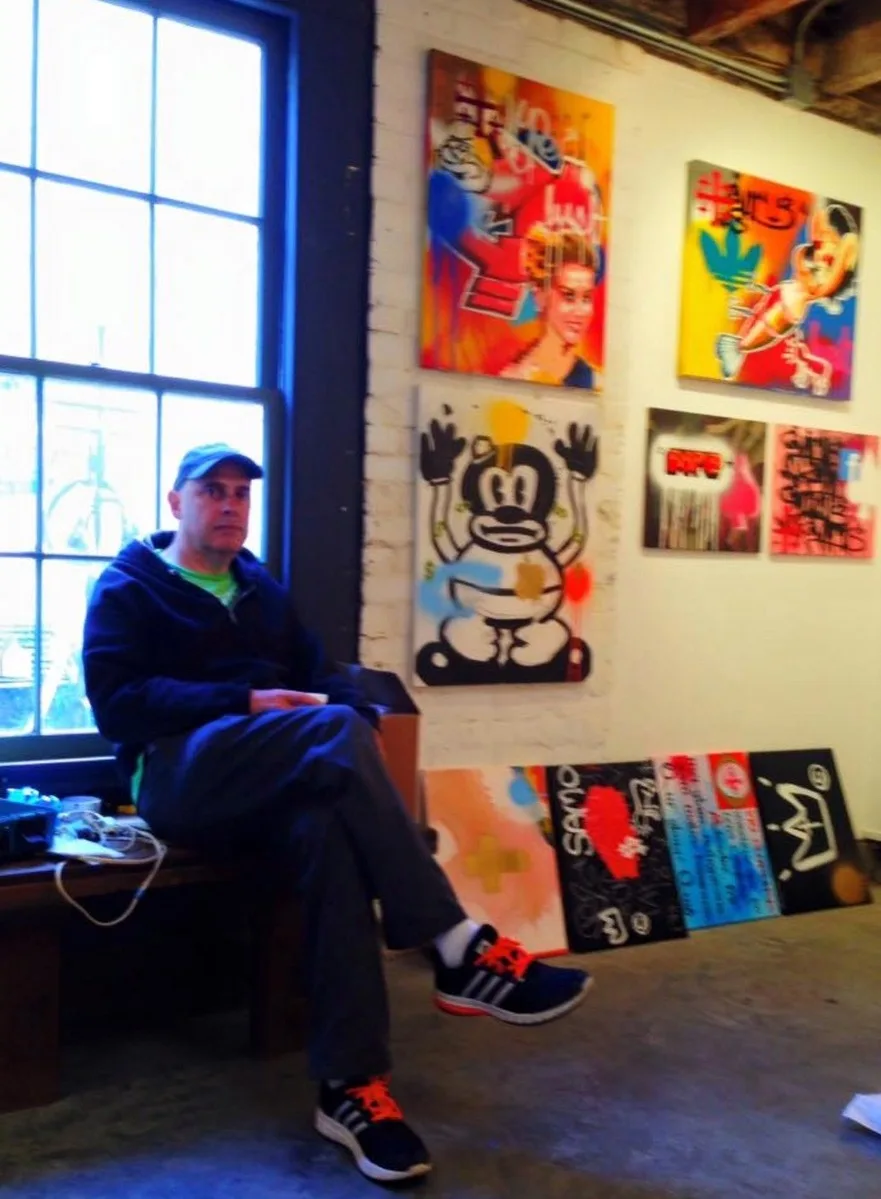
2016 · Barrister's Gallery
Paris: America — Mano-Mano
Selected pieces available as prints. Commissions and studio visits on request.
Available
Prints and commissions
Monday, Jan 1 · rotates daily · hover a card
01 — Theory
Not a style. A position: that the electronic image is a fine-art surface like canvas or newsprint, and that the future of art was always going to run through technology. Five working principles, distilled from the artist's own statements, grants and talks.
Drag or scroll the ribbon →
“He understood that the future of Art was closely linked to Technology.”
“His art seeks to merge electronic media modalities with fine art sensibilities.”
“His work seeks to integrate traditional art and Mass Media.”
02 — The vault
Paintings, digital drawings, posters, street work and broadcast frames. Hover to let each piece color the room; open one to read the note behind it.
12 pieces · © Beau Tardy · commissions and prints on request
03 — Process
The same eye that pushed pixels for broadcast also dragged spray cans through Paris. Drag the slider to pull the image between the electronic and the analog.


04 — Films
His own channel: the theory talks, the return to traditional painting, the story of a digital pioneer, and the art history that feeds the work.
Films stream from the artist's YouTube channel · © Beau Tardy
05 — Chronology
From the East Village to a Quantel Paintbox to the MTV on-air department — and back to the easel.
1984
Begins his art career in New York City at Parsons School of Design and is pulled into the East Village art scene — published in the East Village Eye, showing alongside Gary Panter and Wayne White.
1985
Leaves art school for Paris and joins the Mano-Mano collective: street art, graffiti, billboard subversion and performance.
1986
Builds an early 3D image on a Cubicomp Picturemaker with a French Ministry of Culture grant — the 'Electronism' project begins.
1987
A digital art pioneer, painting on the Quantel Paintbox for broadcast television while the technology is still brand new.
1990s
Hired by MTV's on-air graphics department in New York. Animates graphics and show opens for MTV News, Yo! MTV Raps and The Real World. Later VH1, NBC, ABC, Canal+, Global Japan, Channel 7 Australia, MTV Europe.
1996
Founds the TV and computer graphics studio. Its work earns a Gold BDA, a Silver Telly Award and a Communicator Award of Distinction.
2016
Paintings and installations shown at Barrister's Gallery, New Orleans, in a reunion with the Paris collective.
Now
Combining A.I. and digital technologies with a return to traditional painting — pushing again at what is considered art and media.
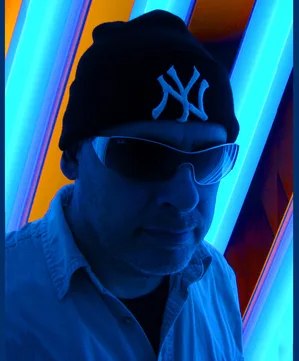
Beau Tardy · Paris-born · Houston-based
06 — The artist
Beau Tardy is a Paris-born American artist and award-winning broadcast designer working across digital art, painting, street art and motion graphics. His work is a bridge between the gritty underground scenes of the 1980s and the high-tech image culture of today.
He began in New York in 1984 at Parsons, published in the East Village Eye and showed with Gary Panter and Wayne White. In Paris he joined the Mano-Mano collective — street art, graffiti, billboard subversion, performance — then moved to the machine.
A digital art pioneer on the Quantel Paintbox from 1987, he went on to MTV's on-air graphics department, animating opens for MTV News, Yo! MTV Raps and The Real World, and founding the studio Dizzy Worldwide in 1996.
Paintings, installations and digital work have been shown in Houston, New Orleans, Paris, New York, Sydney and the Barcelona Biennale. He is currently combining A.I. and digital technologies with a return to the easel.
Arts grant
French Ministry of Culture
Broadcast design
Gold BDA / Silver Telly
Exhibited
Barcelona Biennale
07 — Contact
Commissions, licensing, prints, exhibitions and press — the studio answers everything personally.
tardyartist@protonmail.com